
How Often Should You Inspect Your Roof in Florida?
How often should you inspect a roof in Florida? A simple schedule by season, storm, roof age and sale, plus ground checks. Call (813) 497-4428.

Adrian Coastal Roofing

Most Florida homeowners should plan to inspect the roof twice a year and again after any major storm. People who type "how often inspect roof Florida" into a search bar usually want one number, but the honest answer is a rhythm: a check in late spring, a check in late fall, and extra checks when something happens to the roof or to the home.
This guide gives you that rhythm by situation, shows what you can look at from the ground between visits, and explains who should do which part. It is general guidance, not a promise about insurance or roof lifespan. For a full walkthrough of the visit itself, read our roof inspection services in Tampa Bay guide or our roof inspection guide for homeowners.
The Short Answer: A Roof Inspection Schedule for Florida
The National Roofing Contractors Association (NRCA) recommends scheduled roof inspections at least twice per year, preferably in spring and fall, with extra ones after severe weather such as a hailstorm or hurricane, according to its homeowner guidance in Professional Roofing (November 2020, checked November 2026). Florida adds a twist, because the calendar is built around storms instead of snow.
So treat the two checks as bookends. One happens before the Atlantic hurricane season opens on June 1, and the other after it closes on November 30, per the National Hurricane Center. Everything below is a trigger that adds a visit to that baseline.
Hurricane Season Roof Inspection: Before and After
The spring visit is about readiness. You want worn sealant, lifted shingle tabs, loose flashing and clogged gutters found while the weather is calm, because repairs booked in June compete with every other homeowner's. Ask for a written note of what was found, and keep it with your storm-prep papers.
The fall visit is about recovery. Months of heat, afternoon downpours and gusts leave wear that a spring check never saw, and a small leak that starts in September can sit unnoticed in the attic until winter. A late-fall visit lets you fix what the season exposed before next year's forecast arrives. Our hurricane roof inspection checklist lists the details a pro looks at before storm season.
Roof Inspection After a Storm: When to Add a Visit
A major storm earns its own inspection even if the calendar says you are not due. Think hurricanes, tropical storms, hail, tornado warnings in your area and any night when branches or debris hit the house. Start with a walk around the property, then call a professional rather than climbing a wet, slippery roof.
Photograph what you see from the ground, with dates, before cleanup. Look for shingles on the lawn, bent gutters, exposed edges, and new stains on ceilings. Damage can be subtle, so a quiet-looking roof still deserves a closer look after strong wind. Our guide to storm damage roof repair explains the first steps, and our roof insurance claim guide covers paperwork. Neither can promise a claim outcome, because your policy decides.
Roof Age Milestones: Inspect More as the Roof Ages
A new roof should still be checked once after its first full season, so installation issues and settling show up while the work is fresh. This is our general guidance, not a code requirement, and it costs little compared with finding a flaw years later.
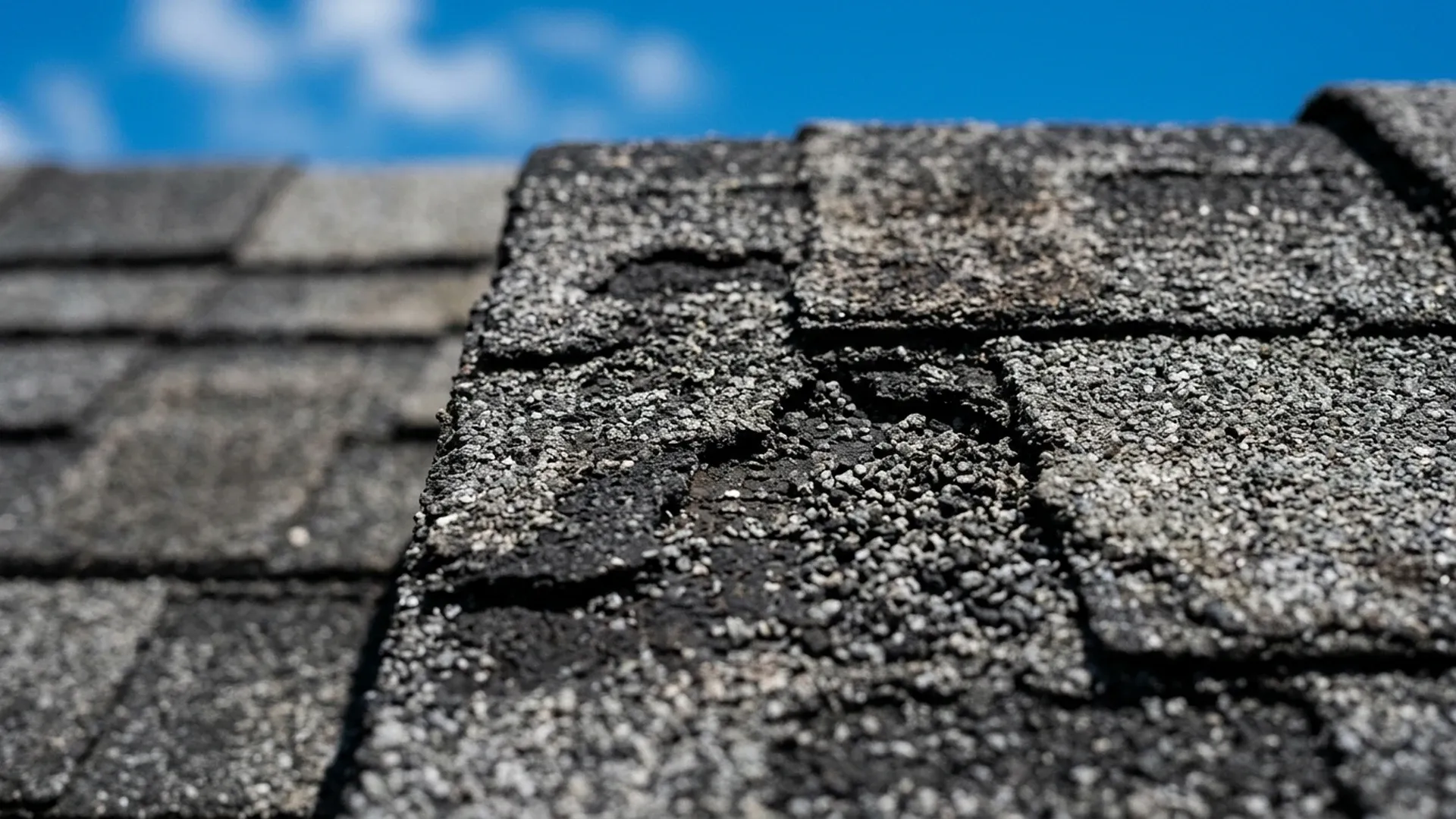
Mid-life roofs deserve the twice-a-year rhythm without skipping. Older roofs deserve extra attention, because granule loss, curling and brittle sealant tend to speed up. Insurers also notice age. Under section 627.7011 of the Florida Statutes (2026), a roof that is at least 15 years old can be inspected by an authorized inspector at the homeowner's expense before an insurer requires replacement. Our 15 year roof rule guide explains it, and our 4 point inspection guide covers the insurer's report.
Roof Inspection Before Buying a Home or Selling It
Buying a home means inheriting its roof, so a roof inspection belongs on the due-diligence list next to the general home inspection. Ask for permits, repair invoices and any warranty papers, since a roof's history says as much as its surface. Findings give you facts to discuss with your agent before closing, and nothing here replaces advice from your real estate or legal professionals.
Sellers benefit too. Knowing the roof's condition before listing lets you repair small items on your terms instead of negotiating under deadline pressure. If you want to know what a visit may involve, our roof inspection cost guide explains what drives the price, and our wind mitigation inspection guide covers another report buyers often ask about.
After Contractor Work on or Near the Roof
NRCA also suggests inspecting before and after any work is performed on the roof or in areas next to it (same November 2020 article). That includes repairs, but also satellite dish installs, solar work, air conditioner service on a roof, chimney work and tree trimming near the house.
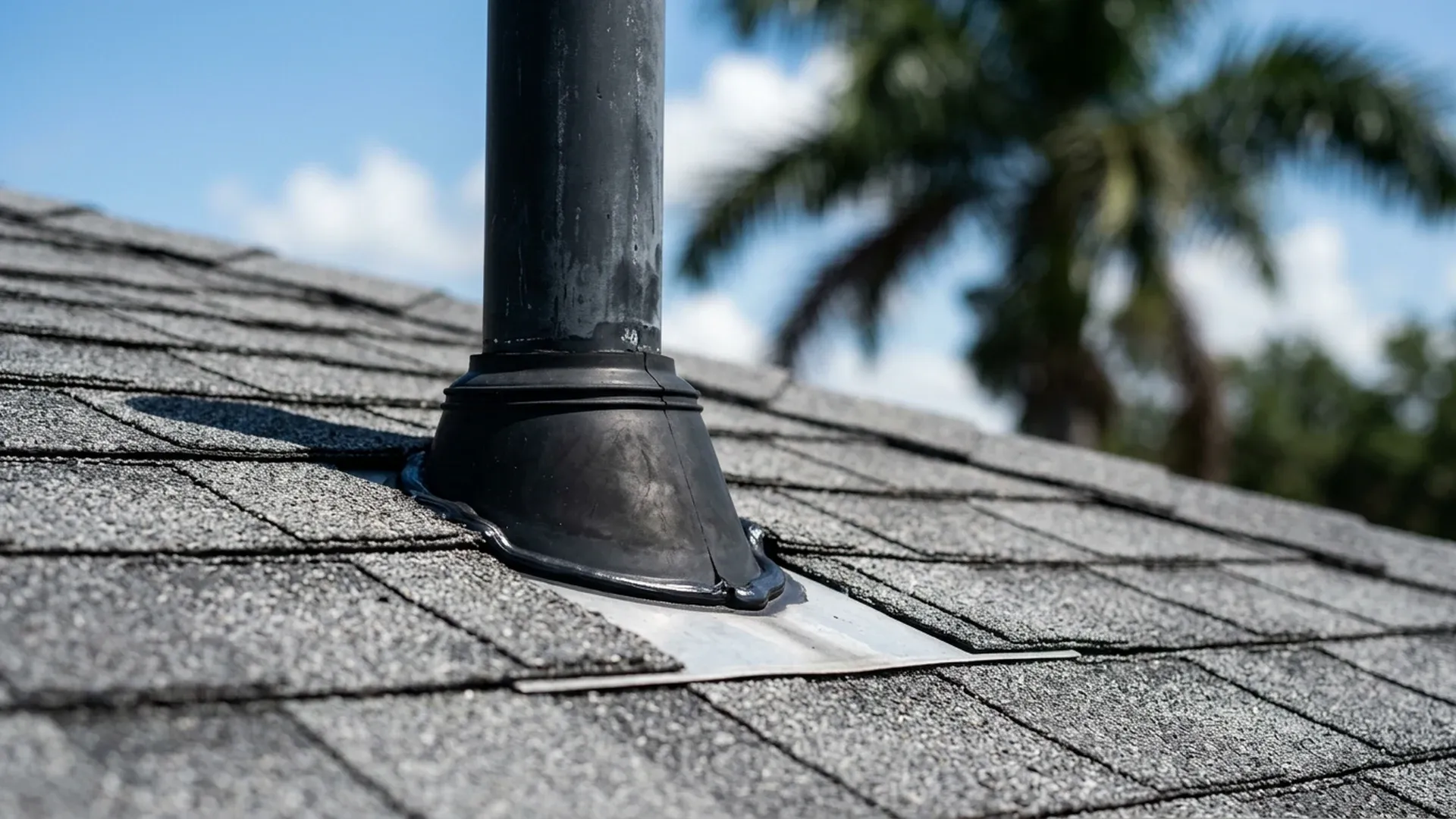
Why bother? Every worker who walks the roof or fastens something to it can leave a lifted tab, a loose flashing edge or an unsealed hole. A before photo set and an after photo set protect you and the contractor. Check vent pipes, sealant lines and edges where equipment attaches, and ask the crew in writing to fix any damage they cause.
Roof Maintenance Between Inspections: Ground Checks
You can add cheap checks between professional visits without leaving the lawn. To inspect the roof in Florida's sun safely, use binoculars or your phone's zoom on a dry, sunny day, and never climb up for a closer look. NRCA notes that a steep-slope maintenance inspection typically can be performed from the ground or a ladder at the roof edge (Professional Roofing, October 2013), but a fall is a bigger risk than a missed shingle, so we suggest the ground only.
Look for:
- Missing, curled, cracked or lifted shingles.
- Dark patches or bare spots where granules have worn away.
- Sagging lines, standing water or debris piled in valleys.
- Shingle granules collecting beneath downspouts.
- Stains on ceilings, or daylight and damp insulation in the attic.
Photograph anything unusual and compare it next month. Our roof maintenance checklist covers the seasonal upkeep around these checks.
Who Should Inspect Your Roof
Homeowners can handle the ground checks above, but the roof itself is a job for a trained, licensed professional who knows how to inspect a roof in Florida's heat and storms safely. A pro can walk the surface safely, examine flashing, penetrations and the attic, and tell cosmetic wear from a true leak path.
At Coastal Roofing Group, the inspection is free when you are weighing a repair or replacement or suspect storm damage. A routine condition check for maintenance or insurance paperwork carries a nominal fee, so tell us the reason when you call and we will explain what applies. A licensed inspector walks the roof and explains plainly what it needs.
How Often Inspect Roof Florida FAQ
Is once a year enough for a Florida roof?
Once a year is better than nothing for a newer roof in good shape, but if you want to inspect a roof in Florida well, follow NRCA's guidance of at least twice a year. Florida's heat, rain and storms wear a roof quickly, so add a visit after any significant storm, and shorten the gap as the roof gets older.
Do I need an inspection if the roof looks fine?
Yes, it is still worth scheduling. Many problems start where you cannot see them, such as flashing seams, sealant, penetrations and the attic side of the deck. A roof can look uniform from the street while moisture works underneath, so base the schedule on time and weather, not on appearance alone.
Can homeowners inspect their own Florida roof?
You can check the exterior from the ground and the attic from a hatch, then keep dated photos. Do not walk the roof yourself. Steep, hot or wet surfaces cause serious falls, and a trained inspector sees details that a homeowner usually would not.
Request Your Next Roof Inspection from Coastal Roofing Group
If you are not sure how often to inspect a roof in Florida, or when yours was last checked, start with a visit and build the schedule from what we find. Family-owned since 1993, licensed and insured, Coastal Roofing Group stands behind its work with a written workmanship warranty and qualifying manufacturer material warranty. Call (813) 497-4428 to book a roof inspection, or ask about our preventative maintenance service so the next check is already on the calendar.
About Adrian Coastal Roofing
Adrian is the CEO of Coastal Roofing, a company specializing in roof installation in Florida, recognized for its quality, reliability, and excellence in residential and commercial projects. With years of experience in the construction industry and Florida roofing, Adrian has built his reputation by delivering durable solutions that withstand the state’s extreme weather. Under his leadership, Coastal Roofing has become a leader in roof installation in Florida, offering modern systems such as TPO, PVC, metal roofing, and other efficient solutions to reduce costs and extend the lifespan of roofs.


