
Roof Maintenance Checklist for Florida Homeowners
Florida roof maintenance checklist by season. Prevent leaks, storm damage, and expensive repairs with this complete homeowner guide.

Adrian Coastal Roofing

In Florida, a roof doesn't get the luxury of a mild climate. Between hurricane season, intense year-round UV radiation, torrential rain, and humidity that never fully lets up, your roof faces more weather stress per year than homes in almost any other part of the country. That's why a proper roof maintenance checklist isn't optional for Florida homeowners, it's what separates the people who fix small problems for a few hundred dollars from those who face a $15,000 emergency repair after a preventable failure.
This complete roof maintenance checklist walks you through what to inspect, when to do it, and what warning signs to look for, organized by Florida's seasons so you always know exactly where your roof stands.
Seasonal Roof Inspection in Florida: Spring Checklist (March–May)
Spring in Florida means one thing above all else: hurricane season starts June 1st. Your seasonal roof inspection in Florida should be completed before then, ideally in March or early April, while the weather is still dry and mild and roofing professionals have the most availability.
Spring roof maintenance checklist:
- [ ] Inspect for granule loss on shingles. Check your downspouts and gutters for dark, sandy granules — the protective coating on asphalt shingles. Granule loss accelerates UV damage and signals that your roof's waterproof layer is wearing thin.
- [ ] Check flashing around all penetrations. The thin metal sealing your chimney, vents, skylights, and pipe boots is the most common point of failure. Look for gaps, cracks, or corrosion. Your seasonal roof inspection in Florida should always start here.
- [ ] Clear gutters and downspouts completely. Clogged gutters during Florida's rainstorms cause water to back up under shingles, one of the most avoidable leak sources. Clean them fully, including any debris packed near the downspout connection.
- [ ] Trim overhanging tree branches. Branches rubbing against shingles abrade the granule surface over time. During a storm, overhanging limbs become projectiles.
- [ ] Inspect attic ventilation. Poor ventilation traps heat and moisture, which accelerates shingle deterioration from the inside out. Check that soffit and ridge vents are unobstructed.
- [ ] Check the attic decking for soft spots or moisture stains. Walk your attic and press gently on the roof boards. Soft areas indicate moisture damage or structural weakening that won't be visible from the exterior.
- [ ] Schedule a professional seasonal roof inspection in Florida. Even with careful DIY checks, a licensed roofing professional can identify issues from the exterior that aren't visible from inside or from the ground and can catch problems before they become claims.
Preventive Roof Maintenance Cost vs Emergency Repair: The Real Numbers
One of the strongest arguments for following a roof maintenance checklist every year is what it costs when you don't. The gap between preventive roof maintenance cost and emergency repair cost in Florida isn't marginal, it's the difference between a routine service call and a project that can consume months of rental income or home equity.
Think about the scale of the work involved on each side. Preventive roof maintenance covers small, accessible tasks: clearing gutters, replacing a handful of shingles, resealing a flashing joint, touching up caulk around a vent. These are jobs done in hours, with minimal materials, before any water has entered the structure.
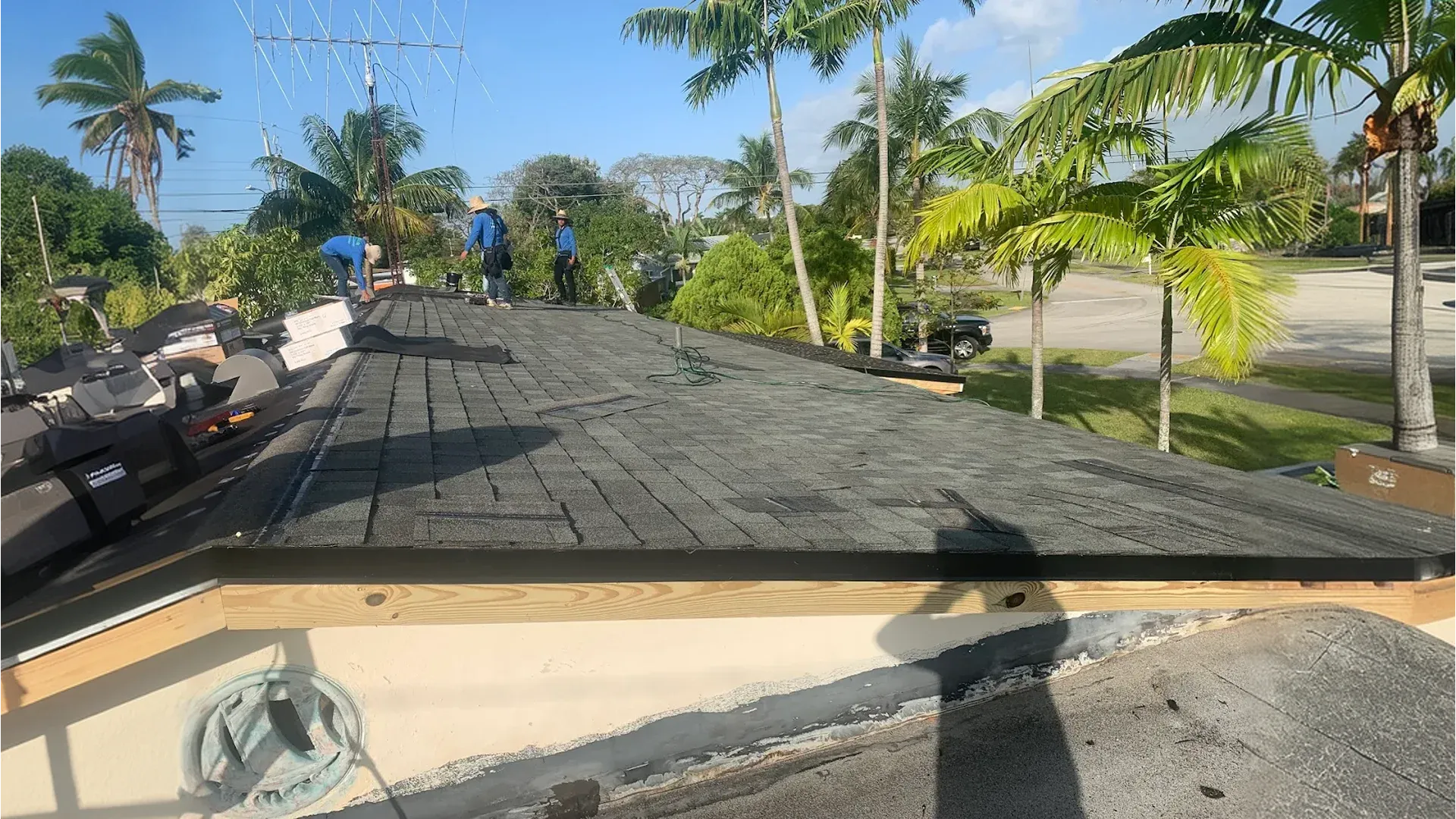
Emergency repairs are a different category entirely. Once moisture gets past the roof surface, the damage multiplies through layers — insulation, roof decking, rafters, drywall, and sometimes flooring or personal property. What started as a small breach becomes a multi-trade repair involving roofing, drywall, and potentially mold remediation. The labor, materials, and timeline all scale up accordingly.
The preventive roof maintenance cost for a well-maintained Florida home is a predictable, manageable annual expense. Emergency repair costs are unpredictable, often urgent, and consistently several times higher, sometimes by an order of magnitude. And that gap widens the longer the underlying problem goes unaddressed.
Beyond the direct savings, a consistent roof maintenance checklist can realistically extend your roof's functional life by 5–10 years. On a mid-range Florida roof replacement, that extension represents a substantial amount of deferred capital cost, money that stays in your pocket or goes toward the next improvement.
Annual Roof Maintenance Schedule in Florida: Summer and Fall (June–November)
Hurricane season runs June 1 through November 30. Your annual roof maintenance schedule during this period shifts from prevention and preparation to active monitoring and rapid response.
Summer / Hurricane season roof maintenance checklist:
- [ ] After every significant storm, do a ground-level walk-around within 24 hours. Look for missing shingles, debris resting on the roof, displaced flashing, or dented gutters. Document anything unusual with timestamped photos.
- [ ] Keep gutters clear throughout the season. Florida summer storms can deliver 2–4 inches of rain in under an hour. A clogged gutter system during peak season is a water damage waiting to happen.
- [ ] Keep an emergency tarp accessible. If a storm breach occurs, you need to be able to protect the opening within hours. Know where your tarp, stakes, and utility tape are stored before the season begins.
- [ ] Monitor interior ceilings after every major storm. New water stains, damp spots, or bubbling paint after a storm event are signs that water entered the structure. Document it immediately and call for an inspection — don't wait to see if it "dries out."
- [ ] Don't let damage accumulate between storms. Florida's storm season brings multiple events close together. A minor breach left uninspected between storms can become significant structural failure by November.
Post-hurricane season (October–November) — annual roof maintenance schedule:
- [ ] Once the active season ends, schedule a professional wrap-up inspection to assess cumulative wear from the season — especially important for roofs 10+ years old.
- [ ] Photograph current shingle and flashing condition as a documented baseline. This is valuable if you need to distinguish storm damage from pre-existing wear in a future insurance claim.
- [ ] Plan any deferred repairs for December–February, when roofers typically have good availability and Florida's weather is most cooperative for exterior work.
Frequently Asked Questions About Roof Maintenance in Florida
How often should a Florida homeowner schedule a professional roof inspection?
Most roofing professionals recommend at least one professional inspection per year for Florida homes, ideally in spring before hurricane season begins. Roofs over 10 years old benefit from two inspections per year, one in spring and one after hurricane season ends. Any significant storm warrants its own post-storm inspection, regardless of your regular schedule.
What does a professional roof inspection in Florida actually include?
A thorough inspection covers shingle condition and granule retention, flashing integrity at all penetrations, soffit and fascia condition, attic ventilation, gutter system health, and any roof penetrations like vents, skylights, or chimneys. The result should be a written report with photos and clearly documented recommendations, which also serves as valuable documentation for your insurance policy.
At what roof age should I start following a stricter roof maintenance checklist?
For Florida homes with asphalt shingles, roofs begin showing meaningful wear between 10–15 years and benefit from closer attention from that point forward. Metal and tile roofs extend that window considerably. That said, following a basic roof maintenance checklist from the first year, catching minor granule loss, clearing gutters, inspecting flashing, means you're catching $300 problems instead of $3,000 ones at every stage of the roof's life.
Conclusion
Florida doesn't offer your roof many slow seasons. The only effective strategy is a consistent roof maintenance checklist that catches small problems before they become structural failures and one that's built around Florida's specific climate and storm calendar.
At Coastal Roofing, we help Tampa Bay homeowners stay ahead of repairs with seasonal inspections, honest assessments, and a maintenance approach built for Florida weather, not a generic national template. Contact the team at: (813) 497-4428!
About Adrian Coastal Roofing
Adrian is the CEO of Coastal Roofing, a company specializing in roof installation in Florida, recognized for its quality, reliability, and excellence in residential and commercial projects. With years of experience in the construction industry and Florida roofing, Adrian has built his reputation by delivering durable solutions that withstand the state’s extreme weather. Under his leadership, Coastal Roofing has become a leader in roof installation in Florida, offering modern systems such as TPO, PVC, metal roofing, and other efficient solutions to reduce costs and extend the lifespan of roofs.


