
Storm Roof Damage in Tampa Bay? Here's What to Do First
Storm hit your Tampa Bay home? Learn how to inspect storm roof damage, document it for insurance, and get emergency repairs fast before more damage sets in.

Adrian Coastal Roofing

Tampa Bay's storm season does not give you much warning. One afternoon the sky turns dark, the wind picks up, and by the time it passes, your roof has taken a hit you were not prepared for. If you are dealing with storm roof damage in Florida right now, the next few hours matter more than most homeowners realize.
In the Tampa Bay area, where tropical storms and hurricanes make landfall more frequently than almost anywhere else on the Gulf Coast, moving fast after a storm is not just about protecting your home from further rain. It directly affects how much your insurance will cover, whether temporary repairs can be made before another system rolls in, and how much long-term structural damage you will end up paying for out of pocket.
Whether you are in Hillsborough County, Pinellas County, Pasco County, or Polk County, the risks are the same: a damaged roof left unaddressed can turn a single storm event into months of compounding repairs.
In this guide, you will learn the exact steps to take after your roof is damaged by a storm, from safely assessing the initial damage to documenting everything your insurance company will need.
Emergency Roof Inspection After a Storm: Your First 24 Hours
Tampa Bay roofs face some of the most demanding storm conditions in the country. From Category 1 wind events hitting Pinellas and Hillsborough counties directly, to slow-moving tropical systems that drop inches of rain on inland areas like Brandon, Riverview, and Wesley Chapel, the damage patterns here are unlike anywhere else in Florida. Before anything else: do not go on your roof after a storm. Wet surfaces, compromised decking, and hidden structural failures make post-storm roof access dangerous for anyone who is not a trained professional.
What you can and should do immediately:
- Walk the perimeter from the ground. Look for obvious signs: missing or displaced shingles, granules pooled around downspouts, bent or separated flashing, dented gutters, and large debris resting on or near the roof. Take photos and timestamps as you go.
- Check your attic. Go inside and look up. If you see daylight through the boards, wet insulation, or new water stains on the rafters, you have an active breach. Place buckets under any drip points and note the exact locations on a rough sketch.
- Walk through every room and check ceilings. New water stains, bubbling paint, or damp spots on interior ceilings are signs that water has already entered the structure. Document every affected area with photos.
- Call for an emergency roof inspection. This is the step that changes your outcome. A professional inspection gives you the written documentation you need for an accurate insurance claim and the clearest picture of what needs to happen next.
At Coastal Roofing, we respond within 24 hours to storm damage calls across Tampa Bay, including Hillsborough, Pinellas, and Pasco counties. The sooner we assess the damage, the better your options.
Roof Damage Documentation for Insurance: Do This Before Repairs Begin
One of the most costly mistakes Tampa Bay homeowners make after a storm is authorizing repairs before properly documenting the damage. Your insurance company needs evidence, and your claim can be reduced or denied if that evidence does not exist.
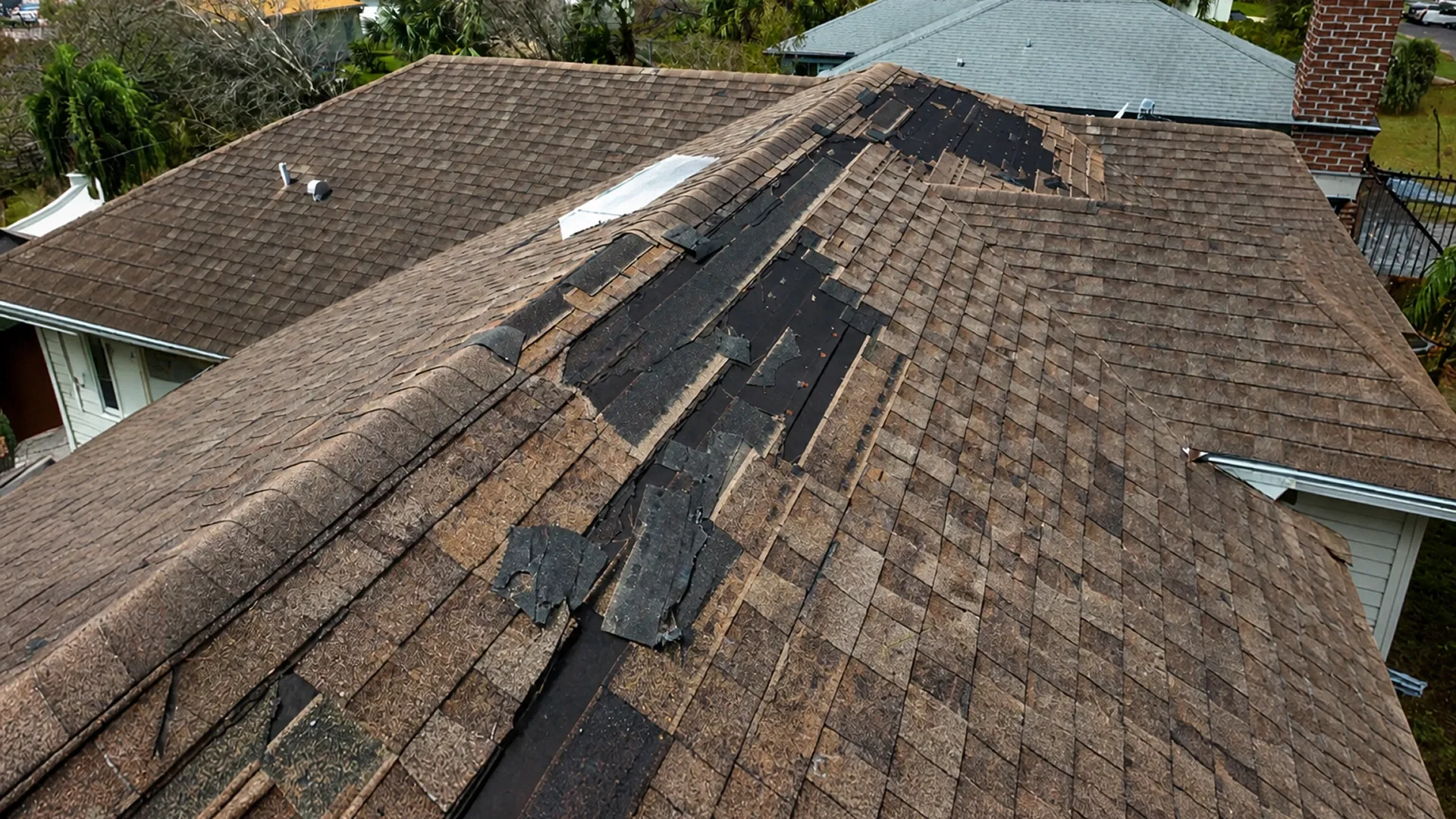
Here is how to handle roof damage documentation for insurance the right way:
Take timestamped photos and video of everything. Walk the full property and capture it all: missing shingles, dented gutters, debris on the roof, interior water intrusion, and any secondary damage to screens, siding, or HVAC equipment. More documentation is always better.
Do not discard anything yet. If shingles or debris fell into your yard, leave them where they are until after your adjuster has visited. These serve as physical evidence of the storm's impact.
Notify your insurance company immediately. Florida law generally requires prompt notification after a covered event. Reporting delays give insurers grounds to question whether damage was storm-related. File the notice of claim before any permanent repairs begin.
Request a written inspection report from a licensed roofing contractor. This is separate from the adjuster's visit. Roof damage documentation for insurance carries far more weight when it includes an independent written report from a licensed professional, with photos, a detailed scope, and cost estimates. In Tampa Bay, where storm claims are common and adjusters are stretched thin after major events, having your own contractor report is especially important.
Track all expenses from hour one. Emergency tarps, hotel nights if you need to relocate, service call fees, save every receipt. Many homeowners insurance policies cover these as additional living expenses, depending on your specific coverage terms.
Temporary Roof Repair: Stopping the Damage While You Wait
Once you have documented the damage and notified your insurer, your next priority is preventing additional water intrusion before permanent repairs can be completed. In Tampa Bay, where storm systems can stack back-to-back during peak season, and afternoon thunderstorms are a near-daily occurrence from June through September, this step is not optional.
Tarping is the standard immediate protection method after storm roof damage in Florida. It must be securely anchored, because Tampa Bay's post-storm wind gusts, especially in coastal areas like St. Petersburg, Clearwater, and South Tampa, do not let up just because the main event passed. Professional tarp installation uses weighted boards or mechanical fasteners to prevent it from becoming a hazard in the next storm.
Covering interior entry points is also important. If water is actively entering through ceiling fixtures or gaps, cover affected areas with plastic sheeting to limit the spread to furniture, flooring, and personal property.
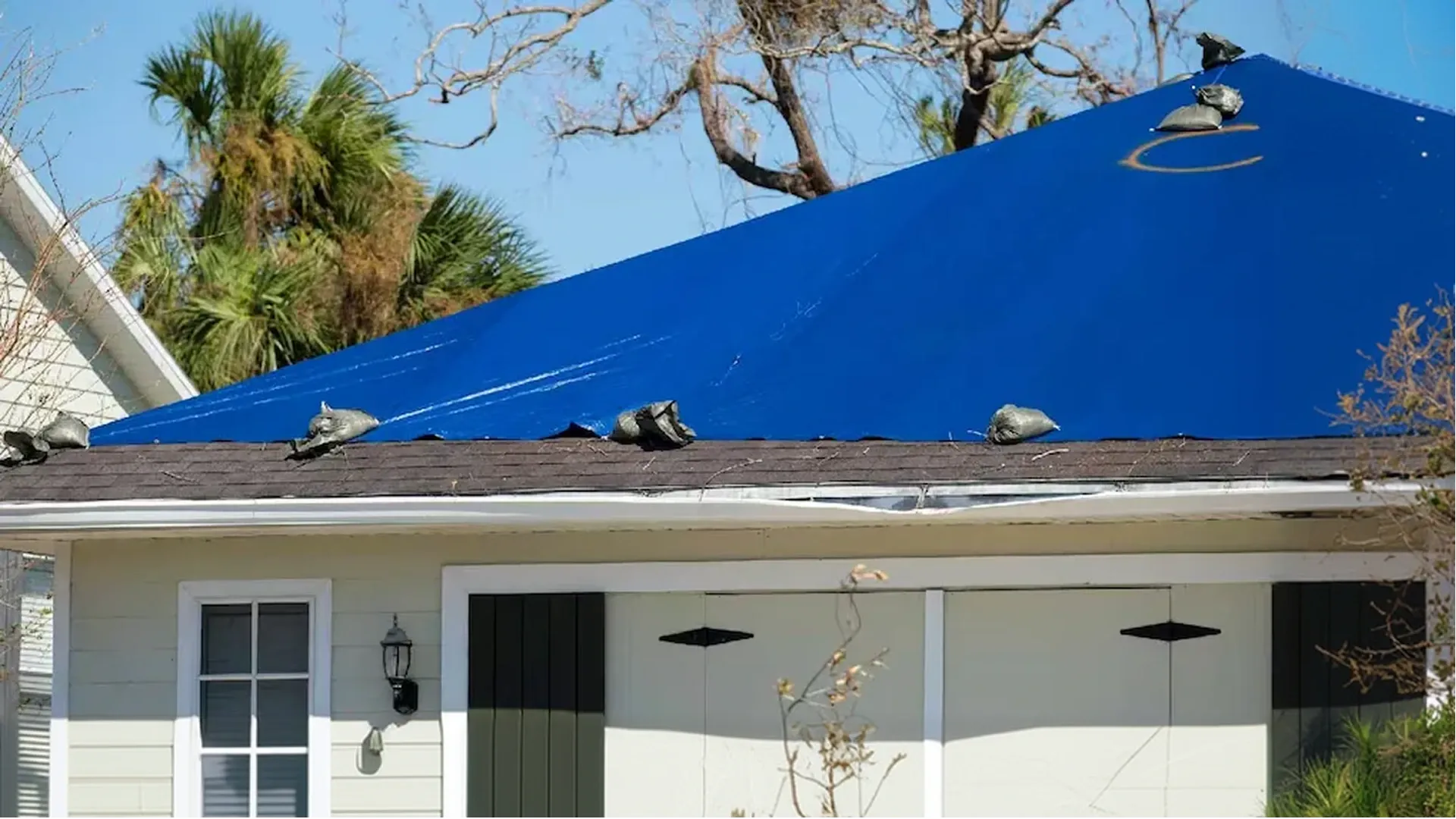
What not to do:
- Do not attempt to nail down shingles on a wet surface
- Do not climb on the roof without proper safety equipment
- Do not make permanent repairs before your insurance adjuster has documented the damage, as doing so can complicate or reduce your claim
The goal of temporary repair is to halt the immediate damage, not to fix the underlying problem. Permanent repairs require a full assessment, the correct materials, and a licensed contractor pulling the appropriate permits under Hillsborough, Pinellas, or Pasco county codes.
Frequently Asked Questions
How long do I have to file an insurance claim for storm roof damage in Florida?
Florida law generally gives homeowners one year from the date of the loss to file a claim. However, policies vary and filing sooner is always better. In Tampa Bay, where storms can cause widespread damage across multiple counties at once, adjusters get backed up quickly, so contact your insurer within the first 24 to 48 hours whenever possible.
Does homeowners insurance cover all types of storm roof damage?
Most standard homeowners policies cover wind-driven roof damage, including hurricane damage. However, they typically exclude pre-existing damage or normal wear and tear. An accurate, professional inspection report documenting that the damage is storm-related is critical to ensuring your claim is honored.
Can I choose my own roofing contractor, or do I have to use my insurance company's preferred vendor?
In Florida, you have the right to choose your own licensed roofing contractor. You are not required to use a preferred vendor list. Make sure any contractor you hire is licensed, insured, and familiar with Florida's current building codes and the permit requirements for your specific county in the Tampa Bay area.
Act Fast After Storm Roof Damage in Florida
Storm roof damage moves fast, and so should you. The difference between a covered claim and an out-of-pocket disaster often comes down to documentation, timing, and who you call in the first 24 hours.
Coastal Roofing responds to storm damage across Tampa Bay within 24 hours, serving homeowners in Hillsborough, Pinellas, and Pasco counties. We provide written inspection reports, help document damage for insurance purposes, and install emergency tarps to protect your home while permanent repairs are scheduled.
Storm hit your area? Call us now at (813) 497-4428, we respond within 24 hours for emergency inspections.
About Adrian Coastal Roofing
Adrian is the CEO of Coastal Roofing, a company specializing in roof installation in Florida, recognized for its quality, reliability, and excellence in residential and commercial projects. With years of experience in the construction industry and Florida roofing, Adrian has built his reputation by delivering durable solutions that withstand the state’s extreme weather. Under his leadership, Coastal Roofing has become a leader in roof installation in Florida, offering modern systems such as TPO, PVC, metal roofing, and other efficient solutions to reduce costs and extend the lifespan of roofs.


