
Roof Insurance Claim Florida: What Lake Wales Homeowners Must Know
Filing a roof insurance claim Florida after a storm? Lake Wales homeowners, learn every step to protect your home and maximize your claim. Call (813) 497-4428.

Adrian Coastal Roofing

Living in Lake Wales, Florida means living with the reality of storm season. Polk County homeowners deal with powerful afternoon thunderstorms, tropical systems, and the occasional direct or indirect hurricane impact year after year. When a storm damages your roof, the physical damage is visible and urgent. But the process that follows, navigating your roof insurance claim Florida, is where many homeowners lose thousands of dollars they are rightfully owed.
Florida has one of the most complex homeowners insurance landscapes in the country. Policies vary widely in what they cover, how they calculate payouts, and what deadlines apply. Adjusters are overloaded after major storm events. And the window to file a valid claim is shorter than most people realize.
This guide is written specifically for Lake Wales and greater Polk County homeowners who want to understand the claims process before they need it, so that when a storm does damage their roof, they are prepared to act quickly, document thoroughly, and recover fully.
Act Immediately: The Claim Clock Starts at the Storm
One of the most costly mistakes Florida homeowners make after a storm is waiting too long to file a roof insurance claim Florida. Florida law previously allowed homeowners up to three years to file a property insurance claim, but recent legislative changes have significantly tightened that window.
As of the most recent Florida insurance reform legislation, homeowners now have just one year from the date of the storm to file an initial claim, and supplemental claims must be filed within 18 months of the loss event. Missing these deadlines can result in a denied claim regardless of how severe the damage is.
Beyond the legal deadline, waiting creates practical problems. Storm damage that goes unaddressed leads to secondary damage, water intrusion, mold growth, and structural deterioration. Insurance companies can and do argue that damage beyond the original event is the result of homeowner negligence, reducing or eliminating their obligation to pay.
The right sequence after a storm:
- Document all visible damage with photographs and video before anything is touched or moved
- Contact a licensed roofing contractor for a professional damage assessment
- Notify your insurance company promptly to open the claim
- Do not begin permanent repairs until an adjuster has inspected the damage
- Apply temporary protective measures, such as tarping, only through a licensed contractor
Time is your most valuable asset in the claims process. Treat the hours and days after a storm as a critical window, not a period of wait and see.
Document Everything Before You Touch Anything
A successful roof insurance claim Florida is built on documentation. The more thorough your evidence of the original storm damage, the stronger your position when negotiating with your insurance company.
What to document immediately after a storm:
- Photograph every area of visible roof damage from multiple angles, including close-ups of missing shingles, lifted flashing, dented metal, cracked tiles, and debris impact points
- Video the entire roofline from ground level before any debris is cleared
- Photograph the interior of your attic for signs of water intrusion, wet insulation, or stained decking
- Capture images of any interior ceiling stains, bubbling paint, or water damage that correlates with roof damage
- Save any weather reports, National Weather Service alerts, or local news documentation of the storm event and wind speeds in your area
- Keep records of every call, email, and conversation with your insurance company, including dates, times, and the names of representatives
In Lake Wales and across Polk County, storms can affect dozens of neighborhoods simultaneously. Adjusters handling multiple claims in the same area may spend limited time on each property inspection. Your own documentation fills the gaps and protects you if the adjuster's assessment misses damage that you have photographic evidence of.
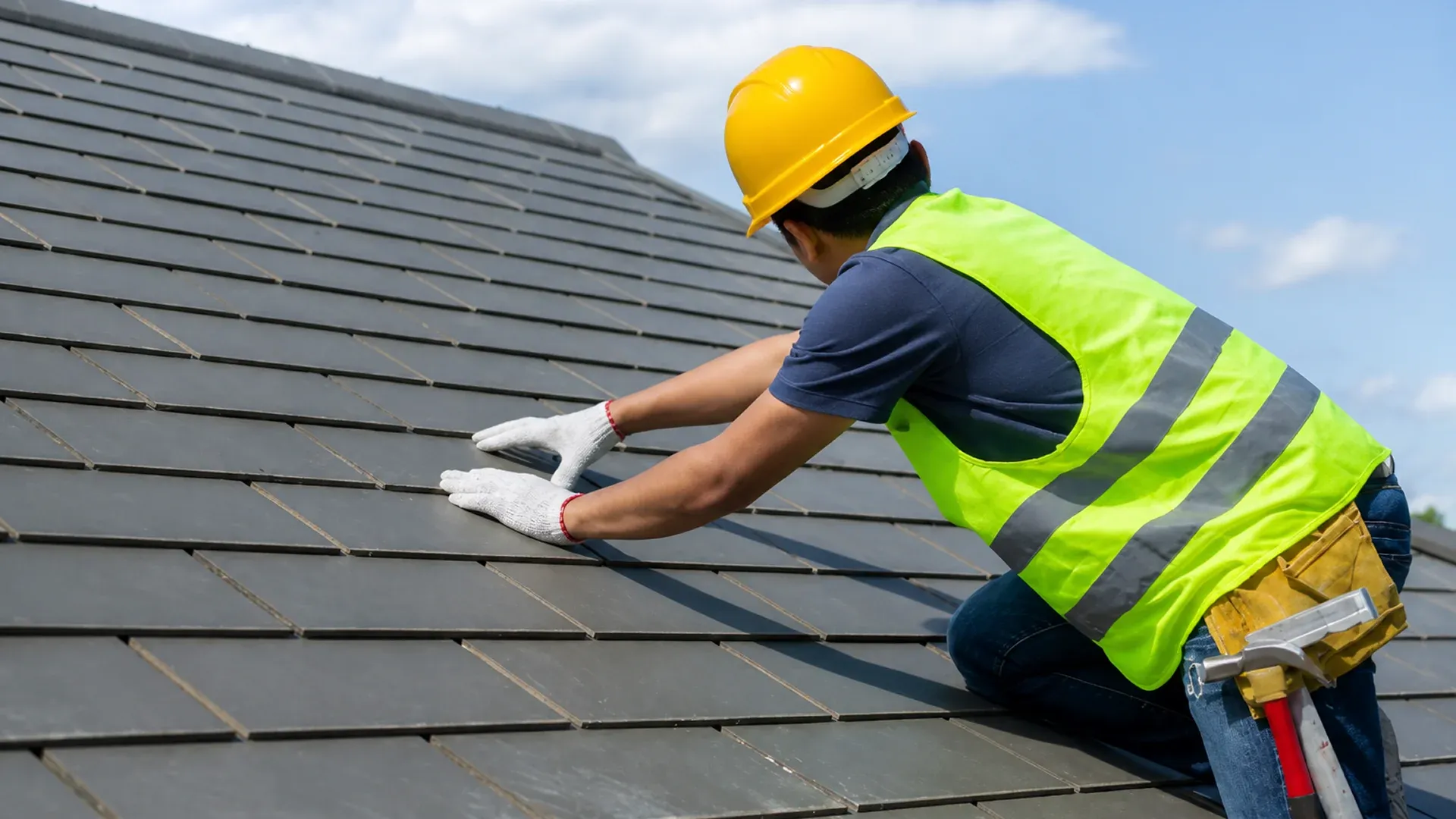
Understanding Your Florida Homeowners Insurance Policy
Before you can successfully navigate a roof insurance claim Florida, you need to understand what your policy actually says. Many homeowners in Lake Wales discover coverage limitations for the first time at exactly the wrong moment, after the damage is done.
Key policy terms every Florida homeowner should know:
Replacement Cost Value vs. Actual Cash Value: A replacement cost value policy pays to replace your damaged roof with a comparable new roof at current material and labor costs. An actual cash value policy pays the depreciated value of your roof based on its age and condition at the time of the storm. On a 15-year-old shingle roof, an ACV payout can be dramatically lower than the actual cost of replacement, leaving homeowners with a significant gap to cover out of pocket.
Hurricane deductible: Florida policies commonly carry a separate hurricane deductible, often calculated as a percentage of your home's insured value rather than a flat dollar amount. A 2% hurricane deductible on a home insured for $300,000 means $6,000 comes out of your pocket before insurance pays anything. Know your deductible before storm season, not after.
Ordinance and law coverage: If your home was built under older building codes, a roof replacement may be required to meet current Florida Building Code standards, which are among the strictest in the country. Ordinance and law coverage pays for the additional cost of code-compliant upgrades. Without it, you may owe the difference.
Matching provisions: Florida law addresses roof matching, meaning that if a partial roof section is damaged, your insurer may be required to replace materials that match the rest of the roof for aesthetic consistency. Understanding this provision can significantly affect the scope and cost of your approved claim.
Reading your policy declarations page and discussing these terms with your insurance agent before storm season is one of the most valuable hours you can spend as a Lake Wales homeowner.
Working With the Insurance Adjuster
After you file your roof insurance claim Florida, your insurance company will assign an adjuster to inspect the damage and determine the payout scope. This inspection is one of the most critical moments in the entire claims process, and how you handle it matters.
Before the adjuster arrives:
- Have your own documentation ready and organized
- Request that a licensed roofing contractor be present during the inspection
- Identify all damage points in advance so nothing is overlooked
During the inspection:
- Walk the adjuster through every area of documented damage
- Point out damage that may not be visible at first glance, such as granule loss in gutters, soft spots in decking, and damaged flashing around penetrations
- Do not minimize or dismiss any damage, even if it seems minor to you
- Ask the adjuster to document their findings in writing before they leave
After the inspection:
- Review the adjuster's written estimate carefully against your own documentation
- If the estimate appears to undervalue the damage, you have the right to dispute it
- A licensed roofing contractor's written assessment can serve as supporting evidence in a dispute
- If the gap between the adjuster's estimate and the actual repair cost is significant, consider engaging a licensed public adjuster who works on your behalf, not the insurance company's
Insurance adjusters in Florida after major storms are often handling extremely high claim volumes. Oversights and underestimates happen regularly. Being prepared and having professional support on your side is not aggressive, it is simply prudent.
The Danger of Unlicensed Contractors and Storm Chasers
Every major storm that affects Lake Wales and Polk County is followed within days by out-of-state roofing contractors offering quick, cheap repairs to storm-damaged homes. These storm chasers are one of the most consistent sources of post-disaster financial harm to Florida homeowners.
The risks of using an unlicensed or out-of-state contractor after a storm include:
- Work that does not meet Florida Building Code standards, creating future liability and insurance complications
- Repairs that void your manufacturer's shingle or material warranty
- Incomplete work or sudden disappearance after collecting a deposit
- No recourse when the repair fails, because the contractor is no longer in the state
- Fraudulent assignment of benefits agreements that sign over your insurance claim rights without your full understanding
Florida law requires all roofing contractors to hold a valid state roofing license. Before signing anything or authorizing any work, verify the contractor's license through the Florida Department of Business and Professional Regulation (DBPR) online database. A valid license, local business address, and verifiable insurance are the minimum requirements before allowing any contractor onto your roof.
Coastal Roofing Group is fully licensed, insured, and locally based in Temple Terrace, serving Lake Wales and all of Polk County with our own certified crew on every job. We never subcontract storm damage work to unknown third parties.
What a Roofing Contractor Should Do For You During a Claim
A qualified local roofing contractor is more than a repair service during a roof insurance claim Florida. They are one of your most important allies throughout the entire claims process.
Here is what a reputable contractor should provide as part of storm damage claims support:
- A thorough written damage assessment that documents every affected component of the roofing system, including shingles, underlayment, decking, flashing, gutters, and fascia
- Detailed photographic documentation that supplements your own records
- A line-item repair or replacement estimate that matches industry pricing and Florida labor costs, giving you leverage if the adjuster's number falls short
- Presence during the adjuster inspection to advocate for accurate damage recognition
- Guidance on temporary protective measures such as tarping to prevent secondary damage while the claim is being processed
- Clear communication throughout the repair or replacement process so you are never left wondering about timelines, materials, or costs.
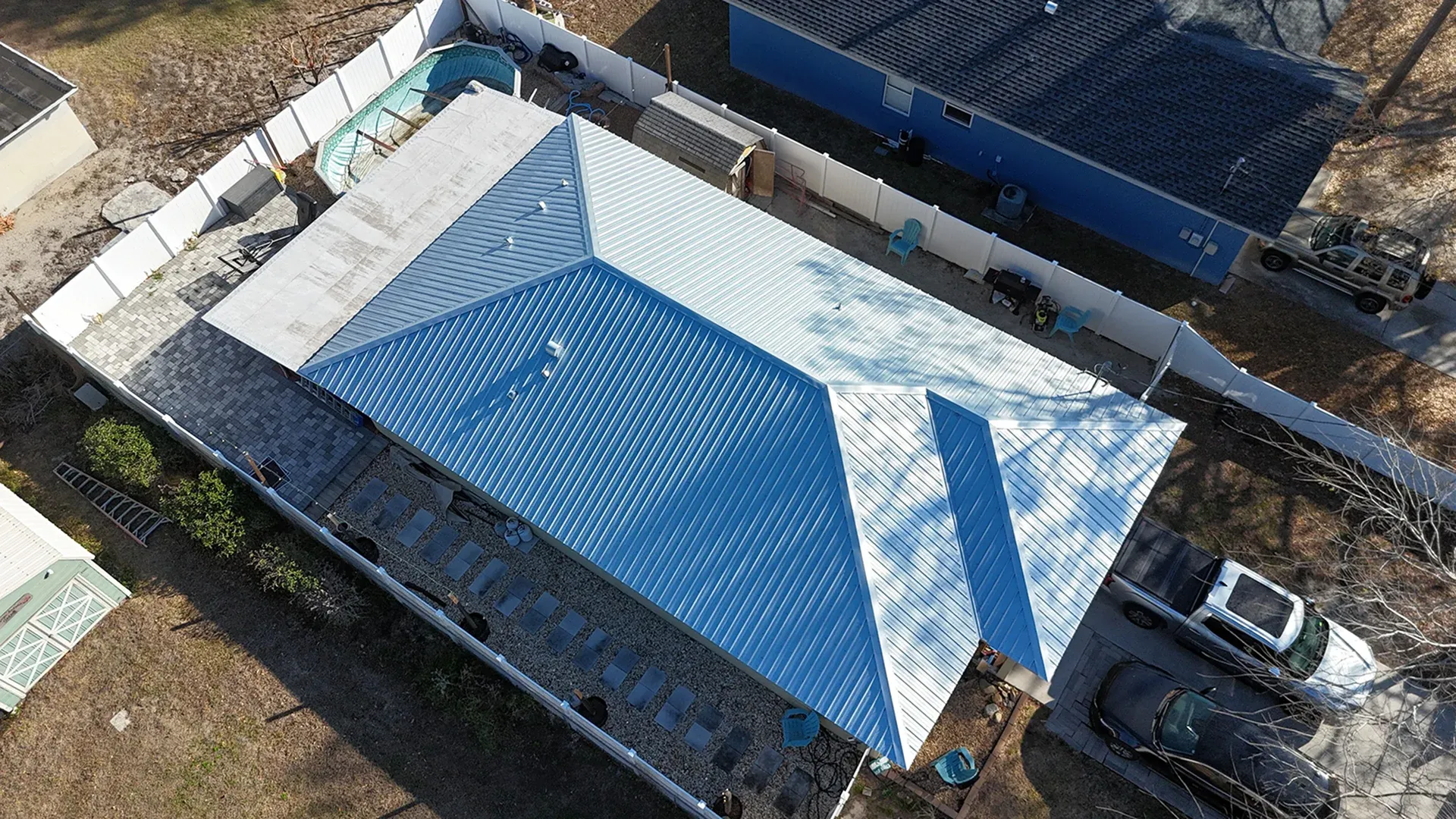
What a reputable contractor should never do is pressure you into signing an assignment of benefits agreement that transfers control of your insurance claim to them without your full, clear understanding of what that document means.
At Coastal Roofing Group, we walk every Lake Wales homeowner through the claims process with transparency. We document thoroughly, communicate honestly, and let you stay in control of your own claim from start to finish.
Be Prepared Before the Next Storm
A roof insurance claim Florida does not have to be a stressful, drawn-out ordeal. With the right preparation, the right documentation, and the right contractor in your corner, most Lake Wales homeowners can navigate the process efficiently and recover the full value of their claim.
The best time to understand your policy, document your roof's current condition, and identify a trusted local contractor is right now, before storm season arrives and before damage occurs. A pre-storm roof inspection gives you a baseline record of your roof's condition that is invaluable if you ever need to prove that damage was caused by a specific storm event rather than pre-existing wear.
Coastal Roofing Group is ready to help Lake Wales and Polk County homeowners at every stage, from pre-season inspections and repairs to post-storm damage assessments and claims support. We are family-owned, third-generation, BBB A-rated, and fully licensed and insured. Every project comes with a written warranty and a local crew you can count on.
Coastal Roofing Group | Licensed and Insured | BBB A-Rated | Temple Terrace, FL 33617 Serving Lake Wales, Haines City, and all of Polk County, plus surrounding Tampa Bay area counties
About Adrian Coastal Roofing
Adrian is the CEO of Coastal Roofing, a company specializing in roof installation in Florida, recognized for its quality, reliability, and excellence in residential and commercial projects. With years of experience in the construction industry and Florida roofing, Adrian has built his reputation by delivering durable solutions that withstand the state’s extreme weather. Under his leadership, Coastal Roofing has become a leader in roof installation in Florida, offering modern systems such as TPO, PVC, metal roofing, and other efficient solutions to reduce costs and extend the lifespan of roofs.


