
Roof Construction: What Florida Homes Really Need
Most homeowners never think about roof construction until something goes wrong. Here's what goes into a roof built to survive Plant City's storms!

Adrian Coastal Roofing

Most homeowners never think about what's actually inside their roof. It's up there, it keeps the rain out, and that's enough, until something goes wrong or it's time to replace it. If you're in Plant City and you're facing a new roof installation, or you're just trying to understand what a contractor means when they talk about "the roof system," this guide breaks it down in plain language.
Roof construction in Florida isn't the same as building a roof in Ohio or Colorado. The state's combination of intense UV exposure, high humidity, hurricane-force wind loads, and temperature cycling from hot days to cooler nights puts demands on roofing materials that most of the country doesn't experience. The choices made during roof construction, materials, fastening methods, ventilation design, directly affect how long a roof lasts and how it performs during severe weather.
Here's what goes into a properly built roof in Plant City, FL.
Roof Layers and Components: What's Underneath Your Shingles
Most people think of a roof as shingles. The shingles are actually just the outermost visible layer. The roof layers and components beneath them are equally important to the system's overall performance.
Every roof construction project in Florida typically includes these layers, from the inside out:
1. Roof deck: The structural foundation of the entire system, plywood or OSB panels fastened to the roof framing. Florida's high-wind building codes require more fasteners, closer together, than most other states.
2. Underlayment: The waterproofing layer applied over the deck before shingles go on. If shingles are damaged in a storm, the underlayment is what stands between the deck and the water.
3. Drip edge and flashing: Metal components installed along roof edges and at every transition point, chimneys, vents, skylights, valleys. Flashing directs water away from penetrations, and proper installation during roof construction is critical to long-term performance.
4. Roofing material: The visible layer, asphalt shingles, metal panels, clay or concrete tile, or flat membrane systems. The choice in Florida is driven by durability in heat and humidity, wind resistance rating, and insurance considerations.
5. Ridge venting and attic ventilation: Ventilation is structural in Florida, not optional. Inadequate attic ventilation traps heat that cooks shingles from below, shortening their lifespan. Properly designed ventilation during roof construction includes soffit intake vents and ridge exhaust vents for continuous airflow.
Roof Underlayment Florida: Why This Layer Matters More in the Sunshine State
If there's one part of the roof construction process that deserves extra attention in Florida, it's the underlayment. It's hidden under the shingles, but it does critical work that becomes especially important after a storm. Florida adopted some of the country's most rigorous wind-resistance and water-infiltration requirements after the hurricane seasons of the early 2000s, and underlayment standards are a key part of that code.
There are three categories in use for Florida residential roof construction:
Felt underlayment (15 lb or 30 lb). The traditional standard, still code-compliant in many applications, but heavier and more prone to tearing during installation than synthetic alternatives.
Synthetic underlayment. Lighter, stronger, and significantly more water-resistant than felt. Now the common default on most new installations in Florida because of its superior UV resistance and longer service life.
Peel-and-stick / self-adhered underlayment. Required by Florida code in certain zones and commonly used around eave areas and penetrations. It bonds directly to the sheathing and provides the highest level of waterproofing integrity.
For Plant City homeowners, a contractor who installs proper roof underlayment isn't just building to code, they're building a roof that can realistically perform through every storm this area will see over its lifetime.
Roofing Materials Comparison: What Performs Best in Florida's Climate
Whether you're starting fresh or replacing an aging system, roof construction material choices in Florida involve different tradeoffs than in most of the country. Here's an honest comparison of the options most commonly used in Plant City and the broader Hillsborough County area:
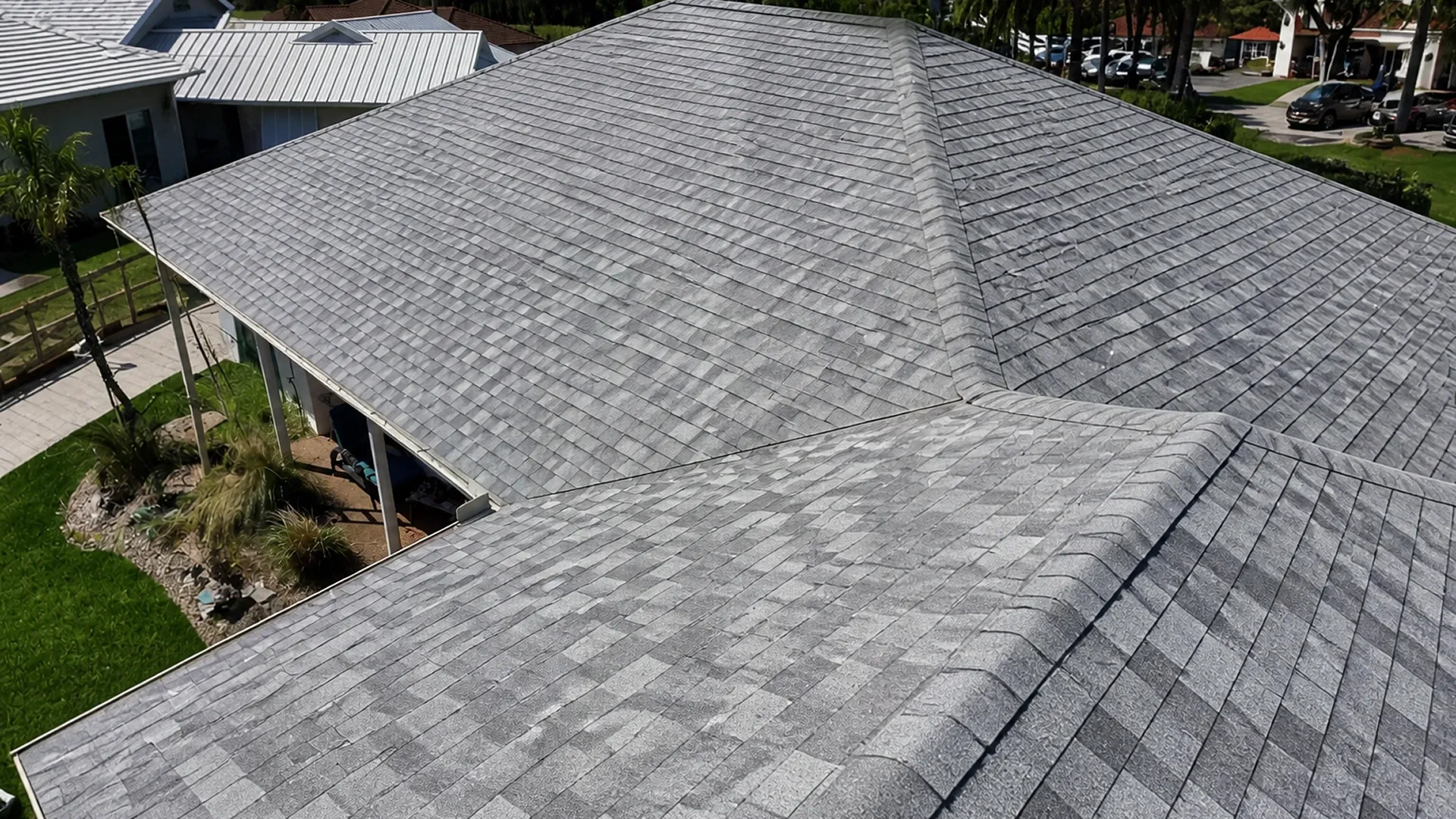
Asphalt Shingles — The most widely used material in Florida residential construction. Available in a range of grades, the critical spec in Florida is the wind resistance rating. Standard 3-tab shingles are rarely the right choice for Florida anymore; architectural (dimensional) shingles with a 130 mph or higher wind rating are the standard recommendation. Lifespan: 20–30 years with proper maintenance.
Metal Roofing — Growing in popularity across Central Florida for good reason. Metal roofs offer excellent wind resistance, reflect heat rather than absorbing it (which helps with cooling costs), and have a much longer lifespan than asphalt. Standing seam metal is the higher-performing option; metal shingles offer a similar appearance to asphalt with many of the durability benefits. Lifespan: 40–70 years depending on material and gauge.
Concrete or Clay Tile — Common in Florida, especially in communities developed in the 1980s and 1990s. Tile holds up well to UV and heat, looks distinctive, and can last 50+ years. The trade-off is weight, a tile roof requires a structurally adequate deck and framing, and individual tiles can crack from impact. Repair requires matching tiles, which can be challenging on older roofs.
Flat Membrane (TPO, EPDM, Modified Bitumen) — Used on flat and low-slope roofs, common in commercial properties and some contemporary residential designs. Not a standard residential roof material for pitched homes, but important to understand for any mixed-use or multi-family construction.
For most single-family homes in Plant City, the choice comes down to architectural asphalt shingles vs. metal roofing and the deciding factors are typically budget, intended length of ownership, and aesthetic preference.
How Long Does Roof Construction Take?
One of the most practical questions a homeowner asks before scheduling a roof installation. The honest answer depends on a few variables, but here are the general benchmarks:
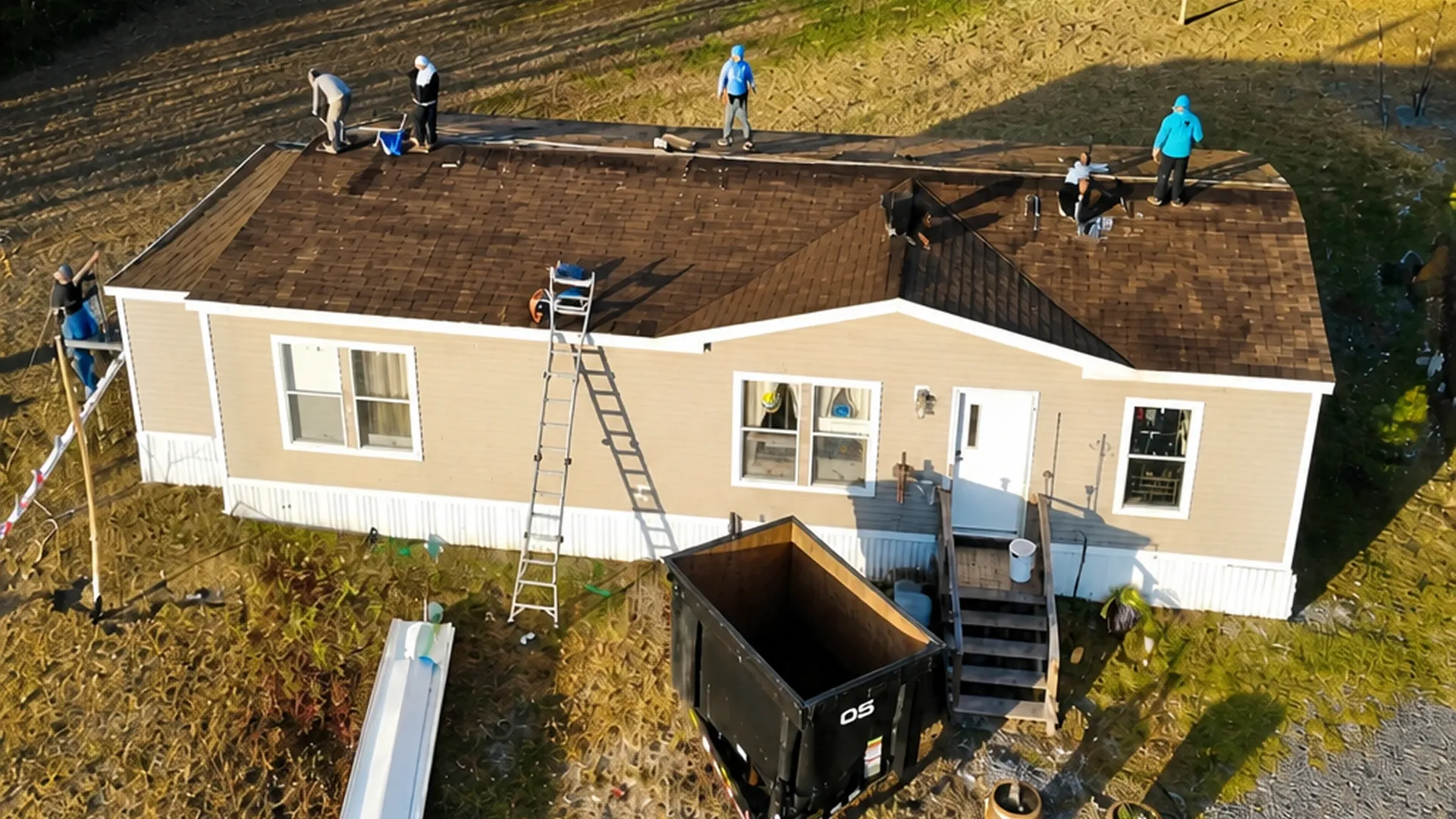
Roof tear-off and replacement on a standard single-family home: Most residential roof construction jobs in Plant City are completed in one to three days. A single-story home with a straightforward roofline is typically a one-day job with a full crew. Two-story homes, complex hip-and-valley rooflines, or tile roofs take longer.
Material delivery and staging: Materials are usually delivered the day before or the morning of the installation. Dumpsters for tear-off debris are staged in the driveway or on the street.
Inspection and permit: Florida requires a permit for most roof replacements and new construction installations. The permit process timeline varies by county, but is typically a few days to a couple of weeks depending on current volume. A licensed contractor handles permitting, if a contractor suggests skipping the permit, that's a significant red flag.
Weather: Florida's afternoon storm pattern from June through September means most roofing crews work early mornings and plan around weather windows. A contractor who communicates clearly about weather contingencies is a good sign.
Frequently Asked Questions About Roof Construction in Plant City, FL
Do I need a permit for a new roof in Florida? Yes, in almost every case. Florida code requires permits for roof replacements, and the process includes a final inspection to confirm the work met requirements. A licensed contractor pulls the permit on your behalf.
What's the difference between a roof repair and full roof construction? A repair addresses specific damaged areas while leaving the existing system in place. Full roof construction, or a reroof, involves a complete tear-off, deck inspection, and installation of an entirely new roof system. Florida building code limits how many layers are allowed, and most contractors and inspectors require a full tear-off for proper installation.
How long should a new roof last in Florida's climate? Architectural asphalt shingles typically last 20–30 years, metal roofing 40–70 years, and concrete or clay tile 50+ years when properly maintained. Actual lifespan also depends on ventilation, maintenance, and storm history.
Conclusion
Roof construction in Plant City, FL is more than putting shingles on wood. It's a multi-layer system designed to handle decades of Florida weather and the choices made at installation time determine how well it holds up through every storm and summer that follows. Understanding what goes into a properly built roof helps you evaluate contractors honestly and make decisions that protect your home for the long term.
When you're ready to move forward, Coastal Roofing Group at (813) 497-4428 brings three generations of roofing experience to Plant City and greater Hillsborough County. Licensed, BBB-rated, and backed by written warranties, call today to schedule your free estimate!
About Adrian Coastal Roofing
Adrian is the CEO of Coastal Roofing, a company specializing in roof installation in Florida, recognized for its quality, reliability, and excellence in residential and commercial projects. With years of experience in the construction industry and Florida roofing, Adrian has built his reputation by delivering durable solutions that withstand the state’s extreme weather. Under his leadership, Coastal Roofing has become a leader in roof installation in Florida, offering modern systems such as TPO, PVC, metal roofing, and other efficient solutions to reduce costs and extend the lifespan of roofs.


