
How to Repair Roof Flashing in Central Florida
Damaged roof flashing causes most home leaks in Florida. Spot the signs, understand the risks, and get expert flashing repair from Coastal Roofing Group.

Adrian Coastal Roofing

Most roof leaks in Florida don't start with a missing shingle. They start with the flashing — the thin metal strips that seal every vulnerable seam on your roof. A single gap around your chimney, a lifted section near a skylight, a cracked seal on a vent pipe — and Florida's rain does the rest.
If you've noticed a water stain on your ceiling, a musty smell in your attic, or visible rust streaking from a roof joint, there's a good chance your flashing is the problem. Understanding how to repair roof flashing starts with understanding what's actually failing — and why getting it wrong costs far more than getting it right the first time.
What Roof Flashing Is and Why It's the Most Common Source of Leaks
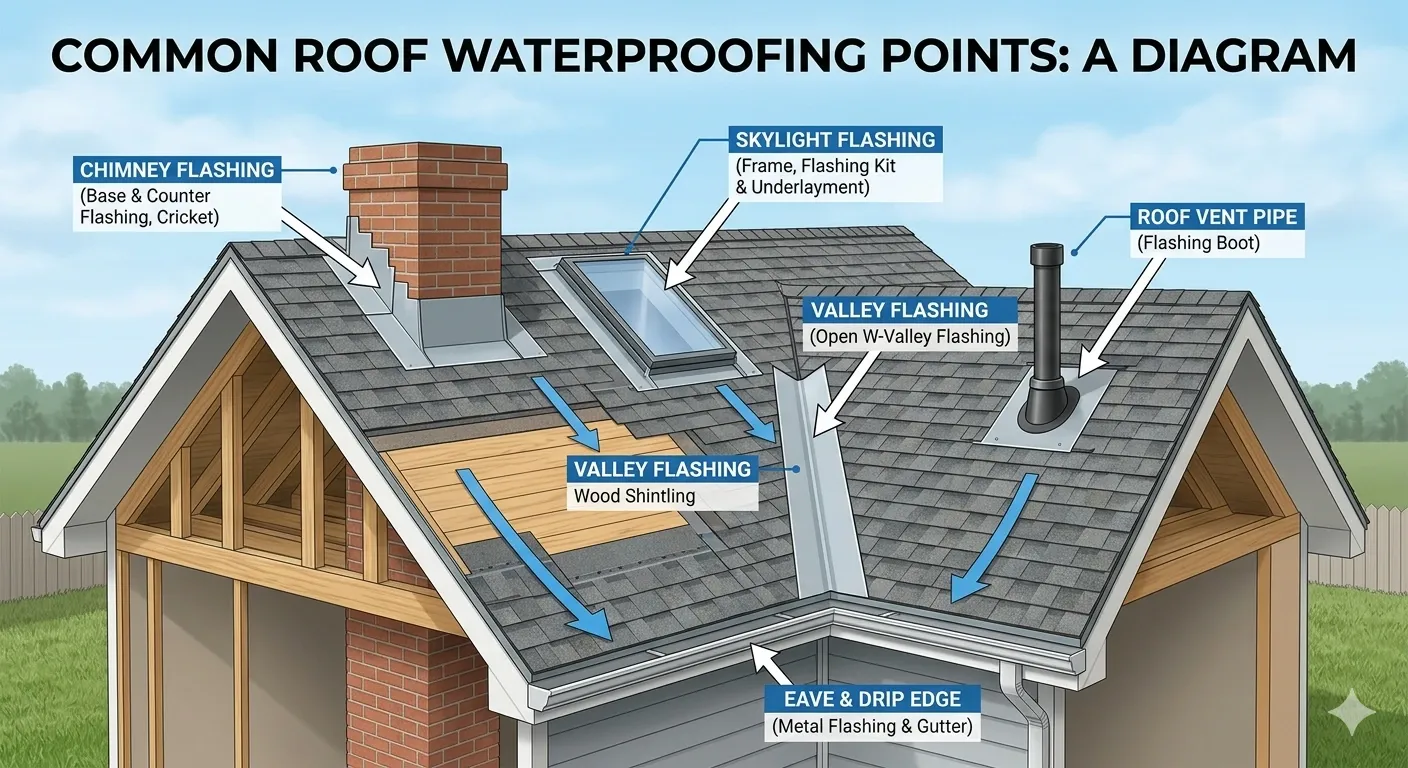
Roof flashing is installed at every transition point where your roof meets something else: a chimney, a skylight, a vent pipe, a wall, or a valley where two roof slopes meet. At these joints, water has no natural path to drain away. Flashing creates a sealed barrier that redirects it back onto the roof surface and into your gutters.
When that seal fails, water doesn't announce itself. It travels silently along the roof deck — sometimes several feet — before appearing as a stain on your ceiling or a soft spot in your drywall. By the time you see it inside your home, damage has usually been building for weeks.
Flashing is the single most common failure point on roofs across the Tampa Bay area — and one of the most misdiagnosed. Homeowners patch shingles, replace decking, and re-seal openings, only to find the leak persists. The problem was the flashing all along.
Why Florida's Climate Destroys Flashing Faster Than Anywhere Else
Flashing failure is a universal roofing problem, but Florida accelerates it in ways no other climate does.
Thermal cycling is the primary driver. Tampa Bay rooftops routinely reach 150°F or higher during summer. When afternoon storms roll in and rapidly cool the surface, the metal expands and contracts in extreme cycles — every single day. That constant movement stresses the sealant around every flashing joint until it cracks, lifts, and separates.
UV radiation degrades the caulking and roof sealants that hold flashing in place. What lasts a decade in a northern climate starts failing in 3 to 5 years under Florida's year-round sun.
Moisture and corrosion attack the flashing metal itself. Even galvanized steel corrodes over time in Central Florida's humid environment. Rubber vent pipe boots — the rubber collars that seal plumbing vent pipes — are particularly vulnerable, often failing in as little as 8 to 12 years even on newer roofs.
The result is predictable: flashing is frequently the first component to fail on Florida roofs, often years before surrounding shingles or decking show any visible wear. And because it fails silently, most homeowners don't notice until significant interior damage has already occurred.
The Warning Signs You Shouldn't Ignore
Flashing problems rarely look like flashing problems from the outside. Here's what to watch for:
Inside your home:
- Water stains on ceilings or walls near chimneys, dormers, or exterior walls
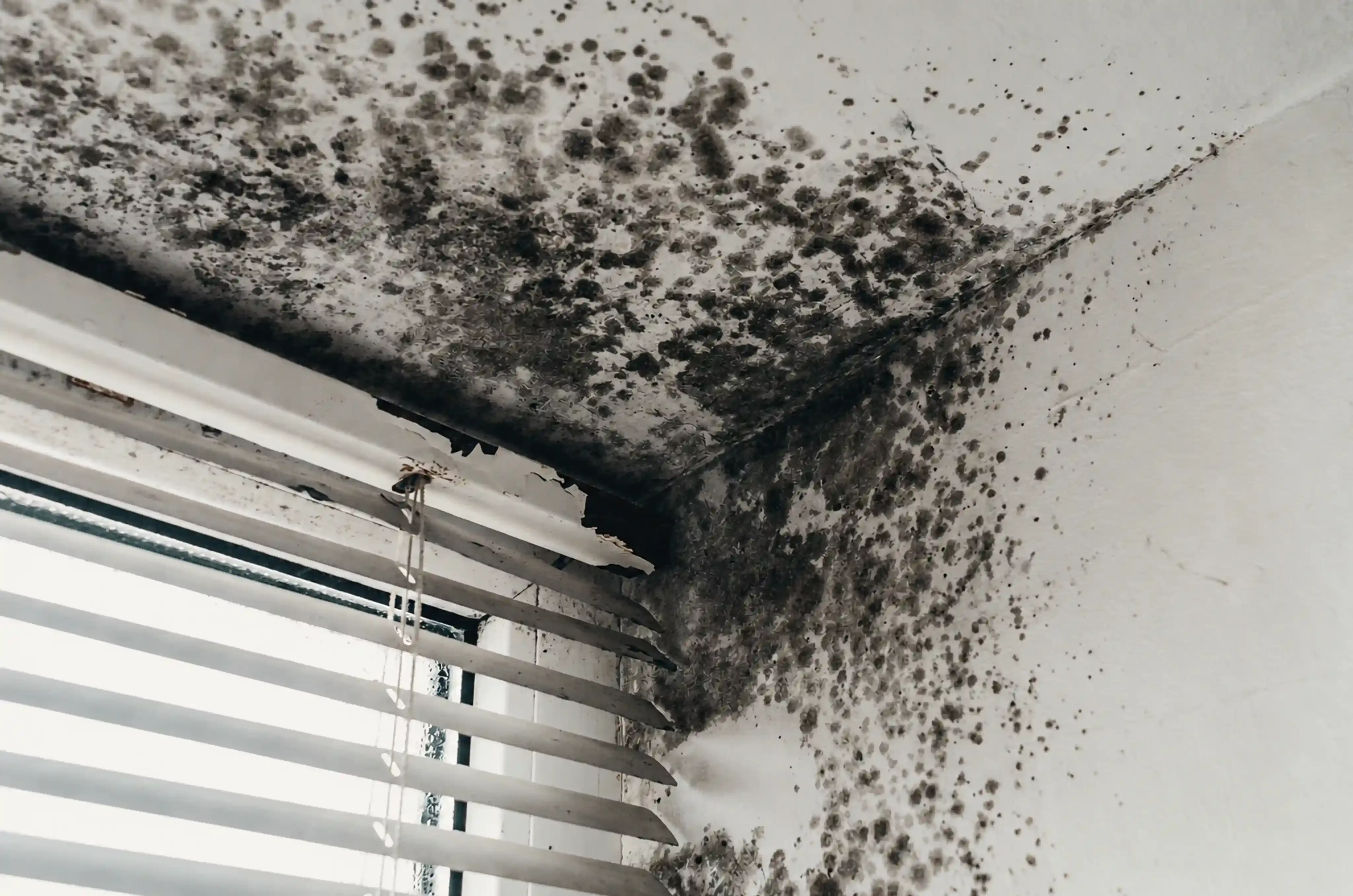
- A musty or mildew odor in your attic — often the first sign of a slow leak
- Peeling paint or bubbling drywall near any roof penetration
- Rust-colored streaks running down attic walls or ceilings
On your roof (visible from the ground):
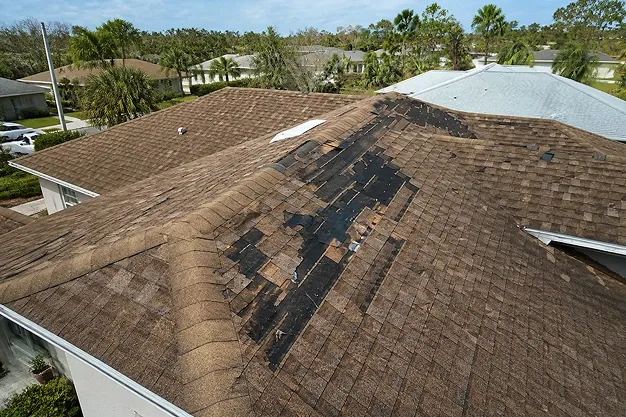
- Lifted, warped, or visibly separated metal around chimneys or skylights
- Rust streaks running from roof joints
- Missing or cracked sealant around vent pipes
- Debris buildup in roof valleys where water concentrates most
In Florida's humidity, any slow roof leak left unaddressed quickly becomes a mold problem. Mold remediation in an attic costs thousands — far more than catching the flashing failure early.
Where Flashing Fails Most Often on Florida Homes
Not all flashing fails equally. These are the points the Coastal Roofing Group team sees fail most frequently across Hillsborough, Pinellas, Manatee, and surrounding counties:
Chimney flashing is the most common source of persistent roof leaks. It involves both the step flashing — woven with shingles along the sides of the chimney — and the counter-flashing embedded in the mortar joint above it. As Florida's heat cycles expand and contract the masonry, the counter-flashing pulls away from the chimney, opening a direct path for water.
Rubber vent pipe boots are the rubber seals around plumbing vent pipes. They're among the shortest-lived components on any roof and fail faster in Florida's UV environment than almost anything else. A cracked pipe boot is one of the easiest leaks to fix — but only if it's caught before the surrounding deck rots.
Roof valleys channel the highest volume of water across your entire roof during a Florida storm. Valley flashing failure is serious and often requires significant repair work to resolve properly.
Skylights create a large flat seal against the roof slope on all four sides. Improper installation or aged sealant around a skylight is a reliable source of leaks that homeowners frequently misattribute to the skylight itself rather than the flashing around it.
Roof-to-wall joints along dormers and exterior walls are another high-risk area — especially after storms with wind-driven rain, which forces water horizontally into joints that normal rainfall would never reach.
Why Flashing Repair Is Not a DIY Project in Florida
The internet is full of guides on how to caulk over flashing and call the job done. In Florida, that approach has real consequences.
First, most flashing repairs — particularly step flashing, valley flashing, and chimney counter-flashing — require removing and correctly replacing surrounding shingles or decking. Doing that improperly can cause additional damage and create new leak points that didn't exist before.
Second, Florida's insurance environment is unforgiving. If a subsequent leak occurs after a DIY repair, your insurer may use the prior patch as grounds to reduce or deny your claim. Repairs documented by a licensed contractor protect your ability to file successfully when you need to.
Third, and most practically: sealing over a failed flashing joint without addressing what caused it to fail in the first place is a temporary fix. Florida's thermal cycling will undo surface caulking in a single season. The underlying problem — lifted flashing, corroded metal, failed integration with the underlayment — requires proper repair, not a superficial patch.
When flashing fails on a Florida roof, the right move is a professional inspection and a real repair. The cost of doing it right is a fraction of what water damage, mold remediation, or a denied insurance claim will cost later.
How Coastal Roofing Group Repairs Roof Flashing
When our licensed team handles a flashing repair, we don't patch the problem. We find it, remove what failed, and replace it correctly.
That means locating the true source of the leak — which isn't always directly above the interior stain. Water travels. We inspect the attic, trace the moisture path, and identify every compromised point before any repair work begins.
We carefully remove surrounding roofing material, install new flashing using quality galvanized or aluminum components, ensure proper overlap and integration with the underlayment, and re-seal every penetration point correctly. On chimney repairs, new counter-flashing is embedded into the mortar joint and secured — not just caulked over an existing gap.
Every repair we complete comes with a written warranty on materials and labor. Our own licensed crew does the work — no subcontractors, no handoffs, no surprises.
We serve homeowners across Hillsborough, Pinellas, Pasco, Polk, Manatee, Sarasota, Hernando, Hardee, and Charlotte counties. If you're seeing any of the warning signs above, the sooner you have it inspected, the less expensive the repair will be.
Frequently Asked Questions
How do I know if my roof leak is coming from the flashing or damaged shingles?
Flashing leaks almost always appear near a specific penetration point — a chimney, skylight, vent pipe, or wall joint. If your interior stain is located near one of these features, the flashing is the most likely source. A licensed roofing contractor can confirm the origin with an attic inspection. Don't assume — misidentifying the source means the leak continues even after you've paid to fix the wrong thing.
Can a small amount of caulk fix a flashing leak?
It depends on the situation, but in most cases, no — not long-term. Surface caulking fails quickly in Florida's heat and UV conditions and doesn't address lifted, warped, or corroded flashing underneath. It may slow the leak temporarily, but it won't solve the problem. A professional inspection will tell you what kind of repair is actually needed.
Will a flashing repair affect my homeowner's insurance?
It can — in both directions. A professional flashing repair, documented by a licensed contractor, supports your insurance position and demonstrates that you've maintained your roof responsibly. Unlicensed or DIY repairs, on the other hand, can give insurers grounds to reduce or deny future claims if another leak occurs in the same area. In Florida's current insurance environment, documentation matters.
How long does roof flashing last in Florida?
Standard galvanized steel flashing typically lasts 15 to 25 years in Florida — significantly less than in cooler, drier climates, due to heat, UV exposure, and humidity. Rubber vent pipe boots tend to fail first, at 8 to 12 years. Copper flashing is the most durable option and can last 50+ years, but comes at a higher upfront cost. The best way to avoid flashing failure is a professional inspection every year — or immediately after any significant storm.
Conclusion
Roof flashing failure is the most common — and most preventable — cause of interior water damage in Florida homes. The difference between a small flashing leak and a major mold remediation project is often just a few weeks of undetected moisture in a hot, humid attic.
If you're seeing water stains, smelling mildew, or noticing any of the exterior warning signs above, don't wait for the next storm to find out how bad it is.
Coastal Roofing Group has been inspecting and repairing roofs across Central Florida for over two decades — with our own licensed crew, written warranties, and a commitment to showing up on time and doing the work right. We'll find the source of the problem, explain exactly what needs to be done, and fix it correctly.
📞 Call (813) 497-4428 or request your free estimate at coastalroofinggrp.com — same-day responses, no pressure, no runaround.
Coastal Roofing Group is a licensed, BBB A+-rated roofing contractor based in Temple Terrace, FL, serving homeowners and businesses across Central Florida for over two decades.
About Adrian Coastal Roofing
Adrian is the CEO of Coastal Roofing, a company specializing in roof installation in Florida, recognized for its quality, reliability, and excellence in residential and commercial projects. With years of experience in the construction industry and Florida roofing, Adrian has built his reputation by delivering durable solutions that withstand the state’s extreme weather. Under his leadership, Coastal Roofing has become a leader in roof installation in Florida, offering modern systems such as TPO, PVC, metal roofing, and other efficient solutions to reduce costs and extend the lifespan of roofs.


